


Positive ecology, the new style for home decoration
In today’s fast-paced world, we are seeing a shift towards more sustainable, mindful, and eco-conscious living. One trend that is gaining momentum, particularly in home decoration, is “Positive Ecology“. This approach focuses on harnessing the beauty of nature to create interior spaces that are not only aesthetically pleasing but also environmentally responsible. As seen in View Magazine, this movement integrates the concept of planetary health into design choices, encouraging us to be mindful of the materials we use and the impact they have on the environment.
Let’s explore how “Positive Ecology” is reshaping home décor, with a focus on natural and recycled fibers, as well as key certifications guiding this shift.
Embracing Nature with Natural Fibers
One of the pillars of Positive Ecology is a return to natural materials—elements that connect us to the earth and offer a sense of calm and grounding. In home décor, this translates into a growing preference for natural fibers such as hemp, linen, and organic cotton.
Hemp
Known for its durability and low environmental impact, hemp is a star player in eco-friendly textiles. It requires little water to grow, thrives without pesticides, and even enriches the soil it’s grown in. Hemp fabrics provide a rustic, organic feel, perfect for upholstery, curtains, or even decorative cushions.


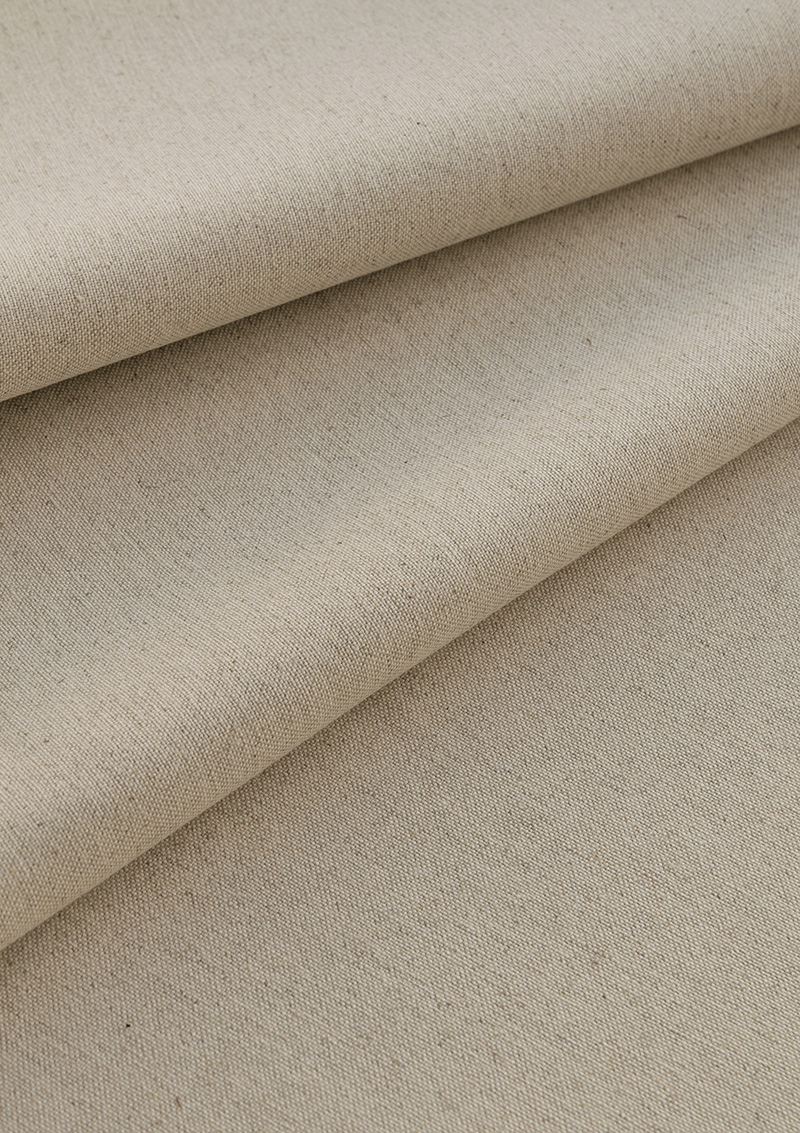
Linen
Another favorite, linen is derived from the flax plant, which grows easily in cool climates without the need for chemicals. Linen fabrics are known for their breathability and timeless elegance, making them a staple in eco-conscious homes. Think soft linen bedding, drapes, or table linens that add a natural, earthy touch to your living spaces.


These natural fibers not only reduce the environmental footprint but also introduce a raw, organic texture that beautifully complements the trend of Positive Ecology.

Recycled Fibers: Redefining Waste
In addition to natural fibers, recycled materials are becoming an essential part of the eco-home design toolkit. By repurposing waste products, the industry is creating beautiful, sustainable options that help reduce landfill waste and conserve resources.
Recycled cotton
Cotton is one of the most widely used materials in the world, but it comes at a cost—conventional cotton farming is highly water-intensive and often relies on chemicals. Recycled cotton offers a solution by repurposing post-industrial or post-consumer cotton scraps into new fibers. This not only reduces waste but also lowers the environmental impact of producing new cotton.
Recycled cotton can be used for upholstery, throw blankets, or even wall tapestries, offering a sustainable yet soft option for your home.
The rise of recycled fibers highlights the innovation within the home décor industry, as designers and manufacturers look for ways to repurpose materials that would otherwise be discarded. From carpets to rugs and even decorative accessories, these materials offer eco-friendly alternatives without sacrificing style.

The Aesthetic of Positive Ecology
What makes Positive Ecology so appealing is its ability to combine functionality with modern aesthetics. The colors and textures derived from natural elements—deep greens, earthy browns, and soft neutrals—bring a calming, harmonious feel to any room. As showcased in View Magazine, the color palette includes hues like Hunter Green, Dragonfly Teal, and Chestnut Sheen, which evoke a connection to nature while maintaining a modern edge.
Incorporating Positive Ecology into your home can be as simple as choosing furnishings made from natural or recycled materials, opting for eco-friendly textiles, and being mindful of color choices that reflect the beauty of the natural world.


